Tooth Extraction in Nairobi
Get safe, comfort-focused tooth extraction in Nairobi for painful, broken, infected, loose, or severely damaged teeth.
At Platinum Dental Clinic Nairobi, we first assess whether your tooth can be saved. If extraction is the best option, we explain the procedure clearly, numb the area properly, and guide you through healing and replacement options.
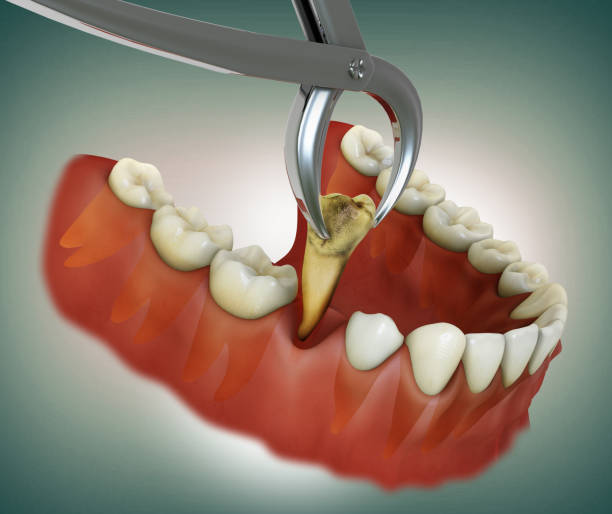
Tooth extraction is the removal of a tooth from its socket
A tooth extraction is a dental procedure where a dentist removes a tooth from the jawbone socket. It may be recommended when a tooth is too damaged, infected, loose, impacted, or crowded to keep safely.
Our approach is conservative: if a tooth can be saved with dental fillings, root canal treatment, or dental crowns, we explain that first. If extraction is necessary, we focus on comfort, safety, and proper aftercare.
When Is Tooth Extraction Necessary?
Dentists try to save natural teeth where possible, but removal may be the healthiest option in some situations.
Severe Tooth Decay
If decay has destroyed too much tooth structure and the tooth cannot be restored, extraction may prevent further infection.
Broken or Cracked Tooth
A tooth broken below the gum line or split through the root may not be strong enough for filling, crown, or root canal treatment.
Advanced Gum Disease
Gum disease can loosen teeth by damaging the supporting bone and tissues around the tooth.
Impacted Wisdom Tooth
A wisdom tooth may need removal if it causes pain, infection, food trapping, swelling, decay, or pressure on nearby teeth.
Orthodontic Crowding
In selected braces cases, a tooth may be removed to create space for healthier alignment.
Baby Tooth Problems
Some baby teeth may need removal if they are infected, badly damaged, or blocking permanent teeth from erupting properly.
Unsure if your tooth needs removal?
Book a dental assessment first. We will explain whether the tooth can be saved or should be extracted.
When the Tooth May Still Be Saved
If the tooth has enough healthy structure and the infection or damage is manageable, the dentist may recommend restorative treatment instead of extraction.
When Extraction May Be Safer
Extraction may be recommended when the tooth is severely infected, badly broken, very loose, impacted, or likely to cause repeated pain and infection.
If the removed tooth leaves a gap, we can guide you on teeth replacement options after healing.
Types of Tooth Extraction
The type of extraction depends on the tooth position, root shape, visible tooth structure, and whether the tooth is impacted.
Simple Extraction
A simple extraction is done when the tooth is visible and can be removed without surgical access through the gum or bone.
Surgical Extraction
A surgical extraction may be needed when a tooth is broken below the gum line, has complex roots, or is not easy to access.
Wisdom Tooth Removal
Wisdom teeth may require simple or surgical removal depending on whether they are fully erupted, partially erupted, or impacted.
Our Tooth Extraction Procedure
We keep the process clear, calm, and guided from assessment to aftercare.
Dental Examination
The dentist checks the tooth, gums, pain history, swelling, bite, and surrounding teeth.
X-Ray If Needed
An X-ray may be used to check root shape, bone level, infection, nearby nerves, or wisdom tooth position.
Local Anesthesia
The area is numbed before treatment. You may feel pressure or movement, but the aim is to avoid sharp pain.
Tooth Removal
The tooth is carefully loosened and removed. Complex teeth may require sectioning or surgical access.
Bleeding Control
Gauze is placed to help a blood clot form. This clot is important for healing.
Aftercare Instructions
You receive guidance on food, brushing, rinsing, pain control, warning signs, and follow-up if needed.
Do Not Ignore Severe Tooth Pain or Facial Swelling
A painful tooth may be caused by deep decay, infection, a cracked tooth, gum disease, or an impacted wisdom tooth. Sometimes the tooth can be saved; sometimes extraction is the safer option.
If you have facial swelling, pus, fever, difficulty opening your mouth, or pain that is getting worse, contact a dentist quickly. If you have trouble breathing or swallowing, seek urgent medical help immediately.
What Is Dry Socket?
Dry socket can happen when the protective blood clot is lost too early, exposing bone and nerves in the extraction site.
Warning Signs
Severe pain that starts or worsens 1 to 3 days after extraction, bad taste, bad breath, or visible empty socket may need review.
Prevention
Avoid smoking, straws, vigorous rinsing, forceful spitting, and heavy activity early in healing unless your dentist says otherwise.
Treatment
If dry socket occurs, the dentist may clean the site and place a dressing to help relieve symptoms while healing continues.
Benefits of Removing a Tooth That Cannot Be Saved
When extraction is truly necessary, timely treatment can protect your wider oral health.
Relieves Dental Pain
Removing a severely damaged or infected tooth can relieve pain when the tooth cannot be restored.
Prevents Further Infection
Treating the problem early can reduce the risk of infection spreading to nearby teeth, gums, or tissues.
Protects Nearby Teeth
Removing a hopeless tooth can protect surrounding teeth from pressure, decay traps, or repeated infection.
Opens the Door to Replacement
Once healing begins, we can discuss implants, dentures, bridges, or other replacement options for the missing tooth.
Should You Replace a Tooth After Extraction?
In many cases, replacing a missing tooth helps protect chewing function, bite balance, and smile appearance.
Dental Implants
A fixed tooth replacement option that supports chewing strength and helps preserve jawbone structure.
Dentures
A removable option for replacing one, several, or many missing teeth depending on the case.
Teeth Replacement
Explore the full range of replacement options after extraction and choose what suits your mouth and budget.
Planning extraction and replacement together?
Ask us about your next step before removing the tooth, especially if it is a front tooth or chewing tooth.
Tooth Extraction for Adults, Teens, and Children
Tooth extraction needs can happen at different ages. Adults may need removal because of decay, cracks, gum disease, or wisdom teeth. Children may need removal of infected baby teeth, stubborn baby teeth, or teeth affecting eruption.
For children, we use a calm explanation style and involve the parent clearly. For teens and adults, we explain the reason for removal, the healing plan, and whether replacement is needed.
Tooth Extraction for Patients Across Nairobi
Our clinic is located in Lang'ata and serves patients from many Nairobi neighbourhoods.
Lang'ata
Visit us at Freedom Heights Mall on Lang'ata Rd.
Karen
Tooth pain and extraction assessments for Karen patients.
Kilimani
Accessible dental extraction care from Kilimani.
Westlands
Professional tooth removal guidance for Westlands patients.
Lavington
Comfort-focused extraction care for Lavington families.
Parklands
Dental pain assessment for patients from Parklands.
Upper Hill
Convenient access from Upper Hill and nearby offices.
South C
Tooth extraction appointments for South C residents.
View all Nairobi areas we serve
Explore our full list of dental clinic location pages across Nairobi.
Why Choose Platinum Dental Clinic Nairobi for Tooth Extraction?
Patients choose us because we focus on saving teeth where possible and removing teeth gently when necessary.
Assessment Before Extraction
We check whether restoration is possible before recommending removal.
Comfort-Focused Care
We use local anesthesia and a calm explanation style to reduce anxiety.
Modern Dental Equipment
Our clinic uses professional tools to support safe, efficient dental care.
Clear Aftercare
You leave with practical instructions for bleeding, food, brushing, rinsing, and warning signs.
Convenient Lang'ata Location
Find us at Freedom Heights Mall, Mezzanine Floor, Lang'ata Rd, Nairobi.
Replacement Guidance
We guide you on implants, dentures, and other tooth replacement options after extraction.
Tooth Extraction Cost in Nairobi
The cost of tooth extraction depends on the type of extraction, tooth position, complexity, X-ray needs, and whether infection or surgical access is involved.
Simple or Surgical
Simple extractions are usually different from surgical removals or impacted wisdom tooth extractions.
Tooth Location
Front teeth, molars, broken teeth, and wisdom teeth may require different levels of planning and time.
Replacement Plan
If a missing tooth needs replacement, implants, dentures, or bridge planning may affect the full treatment plan.
Ask about extraction cost and insurance
We accept major insurance providers and can guide you after the dentist assesses the tooth.
Dental Services Linked to Tooth Extraction
Sometimes extraction can be avoided. Sometimes replacement is the next step after removal.
Root Canal
May help save an infected tooth when enough structure remains.
Dental Fillings
Restore cavities early before they become extraction cases.
Dental Implants
A fixed replacement option after tooth removal.
Wisdom Tooth Removal
Focused care for painful, impacted, or infected wisdom teeth.
Tooth Extraction Nairobi - Frequently Asked Questions
Answers to common questions patients ask before having a tooth removed.
Is tooth extraction painful?
Local anesthesia is used to numb the area before extraction. You may feel pressure or movement, but the goal is to prevent sharp pain during the procedure.
How do I know if my tooth needs extraction?
You need a dental assessment. Extraction may be recommended if the tooth is severely decayed, broken, infected, loose, impacted, or cannot be restored safely.
Can a tooth be saved instead of removed?
Sometimes, yes. Dental fillings, root canal treatment, crowns, or gum treatment may save a tooth if enough healthy structure remains.
How long does tooth extraction take?
Simple extractions may be completed in a short appointment. Surgical extractions or impacted wisdom teeth can take longer depending on complexity.
What should I avoid after tooth extraction?
Avoid smoking, drinking through a straw, forceful rinsing, spitting, alcohol, and hard or hot foods during the early healing period unless your dentist advises otherwise.
What is dry socket?
Dry socket happens when the protective blood clot is lost too early, exposing bone and nerves in the socket. It can cause severe pain and needs dental review.
When can I eat after tooth extraction?
Once numbness wears off, soft foods are usually recommended first. Avoid chewing on the extraction side and follow the dentist's specific instructions.
Do I need to replace an extracted tooth?
Many extracted teeth should be replaced to support chewing, bite balance, and smile appearance. Options may include implants, dentures, or bridges.
Do you remove wisdom teeth?
Yes. We assess wisdom teeth and guide patients on whether removal is needed, especially if there is pain, swelling, infection, food trapping, or impaction.
How do I book tooth extraction in Nairobi?
You can book through our contact page, call 0731 350022, or message Platinum Dental Clinic on WhatsApp for guidance.
Need a painful tooth checked?
Book an assessment or talk to us on WhatsApp for guidance.